Does My Child Have Dyslexia? When to Seek Testing

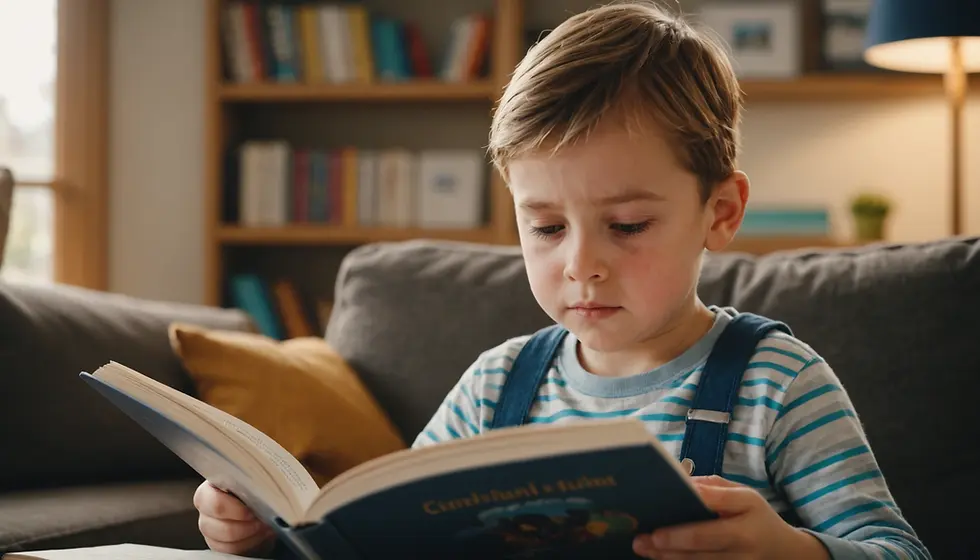
Is my child's reading struggle something more?
Watching your child struggle to read can be heartbreaking. Maybe homework ends in tears. Maybe they're working harder than their classmates but still falling behind. Or perhaps their teacher has mentioned concerns about reading.
If this sounds familiar, you're not alone.
Dyslexia is the most common of all neuro-cognitive disorders. It has nothing to do with intelligence or motivation. Children with dyslexia are just as capable of learning, but they process language differently and need reading instruction that's designed for the way their brains learn.
Dyslexia affects 20% of the population and represents 80–90% of all those with learning disabilities. (Source: The Yale Center for Dyslexia & Creativity)
The good news is that early identification and the right support can make an enormous difference.
Signs your child may have dyslexia
Every child develops at their own pace, but certain patterns can suggest that a child would benefit from a comprehensive evaluation.
Some common signs include:
Difficulty learning letter names and sounds
Trouble blending sounds together to read words
Slow, effortful reading
Frequent guessing when reading unfamiliar words
Poor spelling, even for words they've practiced
Mispronouncing longer words
Avoiding reading whenever possible
Becoming frustrated or anxious during homework
Some children also showed earlier signs before school, including delayed speech development, difficulty rhyming, or trouble remembering nursery rhymes.
Having one or two of these signs doesn't necessarily mean your child has dyslexia, but persistent reading difficulties deserve a closer look.
What should you do if you suspect dyslexia?
If your child continues to struggle despite practice and classroom instruction, don't wait to see if they'll simply outgrow it.
Start by talking with your child's teacher. They can tell you whether similar concerns are showing up at school.
The next step is often a comprehensive evaluation. A thorough assessment helps determine why reading is difficult, whether dyslexia is present, and what interventions are most likely to help your child succeed.
Perhaps most importantly, testing gives parents answers. Instead of wondering why reading feels so hard, you'll understand your child's strengths, challenges, and the exact supports recommended.
Screening isn't the same as a diagnosis
Many schools now perform universal reading or dyslexia screenings. These screenings are valuable because they identify children who may be at risk for reading difficulties.
However, a screening is not the same as a comprehensive evaluation.
A full dyslexia evaluation includes standardized testing that examines reading skills, language processing, cognitive abilities, and other learning factors. It can provide a formal diagnosis and detailed recommendations for intervention, accommodations, and educational planning.
Think of screening as identifying who may need more evaluation. Comprehensive testing provides the answers.
Early support changes outcomes
One of the biggest misconceptions about dyslexia is that children just need more time.
In reality, children with dyslexia benefit most from early, evidence-based intervention.
The sooner reading challenges are identified, the sooner children can receive instruction that matches how they learn.
With the right support, children with dyslexia can become successful readers and confident learners. Many go on to excel in college and careers across every field imaginable.
A diagnosis isn't a limitation. It's a roadmap that helps your child receive the support they need to thrive.
Dyslexia Frequently Asked Questions
What is dyslexia?
Dyslexia is a specific learning disorder that primarily affects reading. Children with dyslexia have difficulty processing the sounds in language (called phonological processing), which makes learning to read, spell, and decode words more challenging. It is not caused by low intelligence, poor teaching, or lack of effort.
What are the earliest signs of dyslexia?
Some early signs can appear during preschool, including delayed speech, difficulty learning nursery rhymes, trouble recognizing rhyming words, or difficulty remembering letter names. More noticeable reading difficulties usually become apparent during kindergarten or first grade as formal reading instruction begins.
At what age can dyslexia be diagnosed?
A comprehensive evaluation can identify significant risk factors in younger children, but a formal diagnosis is often made around age seven, when children have had enough reading instruction for patterns to become clear.
Can children with dyslexia learn to read?
Yes. With structured, evidence-based reading intervention and appropriate support, most children with dyslexia become successful readers. Early intervention generally leads to the best outcomes.
How long does a dyslexia evaluation take?
Most comprehensive evaluations take several hours and are completed over three or four appointments. The process typically includes parent interviews, standardized testing, and a feedback session where results and recommendations are reviewed.
Who can diagnose dyslexia?
Comprehensive evaluations are typically completed by licensed clinical psychologists, school psychologists, or other qualified professionals with specialized training in learning disabilities.
Is dyslexia testing covered by insurance?
Unfortunately, private dyslexia evaluations are generally not covered by health insurance because insurers often classify educational testing as non-medical.
While schools may provide screenings or educational evaluations to determine eligibility for school-based services, they do not provide a medical diagnosis. Families seeking a formal diagnosis for documentation or private recommendations should expect the evaluation to be an out-of-pocket expense.
What's the difference between school testing and private testing?
School evaluations are designed to determine whether a student qualifies for educational services within the school system. A private evaluation provides a more comprehensive understanding of your child's learning profile, can include a formal diagnosis when appropriate, and offers detailed recommendations for intervention, accommodations, and long-term planning.
Where can I have my child tested for dyslexia?
We recommend a comprehensive evaluation to help you understand their strengths and challenges, and give you clarity about the best ways to support their growth.
Our team of psychologists provide psychological evaluations for children in our Lombard, IL office. If you're interested in learning more, start with a free consultation — we'll walk you through the process, check benefits coverage, and answer any questions you might have.


Comments